Exploring the Latest Technologies in Skid Fabrication for Enhanced Safety
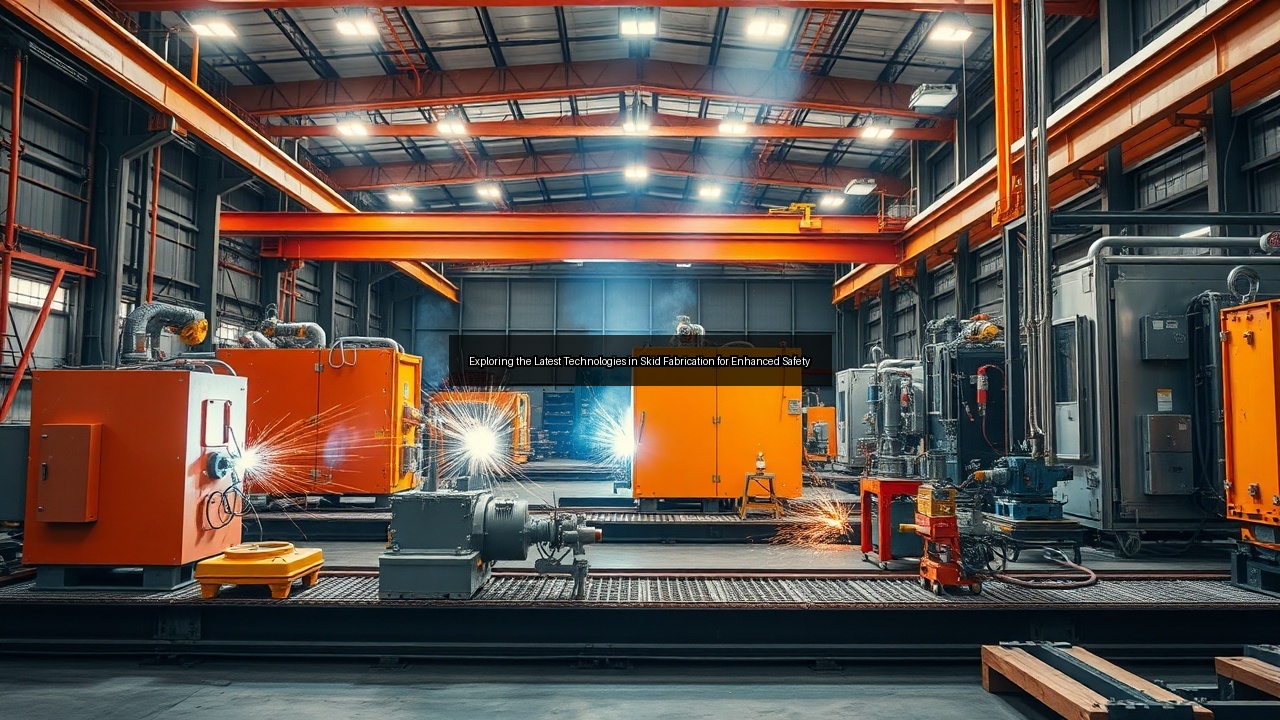
Advancements in Modular Skid Fabrication Technologies
Overview of Modular Process Skids
Modular process skids serve as a pivotal innovation in the realm of skid fabrication, particularly for industries such as oil and gas, chemical processing, and construction. These pre-assembled systems integrate various components, including pumps, valves, and instrumentation, into a compact and efficient design. By utilizing modular skids, companies can streamline their operations, reduce installation times, and enhance overall workflow. The modular approach allows for easy transportation and flexible configurations, making it suitable for diverse project requirements. This efficiency not only accelerates project timelines but also improves safety by minimizing on-site assembly work, reducing potential hazards associated with construction activities.
Emerging Technologies in Skid Fabrication
The landscape of skid fabrication continuously evolves with the introduction of cutting-edge technologies. Advanced computer-aided design (CAD) software enables precise modeling and simulation of modular skids, ensuring optimal performance before fabrication begins. Additionally, 3D printing technology has made its mark, allowing manufacturers to create complex components with reduced waste and increased accuracy. Automation in the fabrication process enhances productivity and consistency, while robotics in welding and assembly reduces human error and improves safety. Incorporating these modern technologies into the skid fabrication process not only boosts efficiency but also elevates the quality of finished products, ensuring they meet stringent industry standards.
Impact of Advanced Materials on Safety
Advanced materials play a crucial role in enhancing the safety and durability of modular skids. The use of high-strength alloys and corrosion-resistant coatings significantly improves the resilience of skids in harsh operating environments typical of the oil and gas industry. These materials withstand extreme temperatures and pressures, reducing the likelihood of failure during operation. Furthermore, lightweight composites can enhance the transportability of modular skids, minimizing risks during shipping and installation. Employing materials that meet or exceed safety regulations not only protects personnel and equipment but also ensures compliance with industry standards, fostering a culture of safety within organizations.
Safety Enhancements in Skid Fabrication
Design Innovations for Improved Safety
Safety design innovations in skid fabrication have transformed how manufacturers approach modular skids. Incorporating features such as rounded edges, reinforced supports, and ergonomic access points minimizes risks during operation and maintenance. The design of modular skids now emphasizes user-friendly interfaces and clearly marked access points for personnel, ensuring that operators can work safely and efficiently. Additionally, integrating safety mechanisms, such as pressure relief valves and emergency shut-off systems, enhances the overall safety profile of the skid. These design improvements not only protect workers but also contribute to smoother operations by reducing the chances of accidents or malfunctions.
Quality Management in Skid Fabrication
Quality management is a cornerstone of effective skid fabrication, directly influencing safety and performance. Implementing robust quality assurance protocols throughout the fabrication process ensures that every component meets the necessary specifications and safety standards. Manufacturers adopt methods such as Six Sigma and Total Quality Management (TQM) to minimize defects and enhance operational efficiency. Regular inspections at various stages of fabrication, from initial machining to final assembly, guarantee that potential issues are identified and addressed promptly. A commitment to quality management not only ensures compliance with regulations but also builds trust with clients, positioning companies as reliable skid fabrication providers in the competitive market.
Welding Techniques for Enhanced Durability
Welding techniques significantly impact the durability and safety of modular skids. Advanced welding methods, such as TIG (Tungsten Inert Gas) and MIG (Metal Inert Gas), offer precision and strength, ensuring that joints can withstand the rigors of operation. Skilled welders utilize these techniques to create strong bonds between components, enhancing the overall integrity of the skid. Furthermore, employing non-destructive testing (NDT) methods, such as ultrasonic testing and radiography, allows manufacturers to detect flaws in welds before the skids are put into service. Prioritizing high-quality welding practices in the skid fabrication process results in more durable products that can safely operate under demanding conditions.
Skid Fabrication in the Oil and Gas Industry
Role of Modular Skids in Oil and Gas Operations
Modular skids play a vital role in the oil and gas industry by providing efficient, scalable solutions for various operations. These skids can house essential equipment such as separators, compressors, and pumping systems, allowing for quick deployment in remote locations. The modular design facilitates easy transport and installation, reducing downtime and ensuring that production meets demand. Additionally, modular skids can be customized to accommodate specific processes, ensuring optimal performance in diverse environments. Their adaptability makes them indispensable for companies operating in the oil and gas sector, where efficiency and safety are paramount.
Challenges and Solutions in Skid Fabrication
Skid fabrication presents several challenges, particularly in meeting the rigorous demands of the oil and gas industry. Tight project timelines and stringent safety regulations necessitate a proactive approach to fabrication processes. One common challenge lies in sourcing high-quality materials that comply with industry standards. To address this, manufacturers often establish strong relationships with reputable suppliers to ensure consistent quality. Furthermore, implementing advanced project management tools can help streamline workflows and mitigate bottlenecks. Emphasizing training and development for staff enhances skill levels, contributing to more effective fabrication processes and safer operational environments.
Cost Considerations and Risk Management
Cost management in skid fabrication is essential for maintaining profitability while adhering to safety and quality standards. Companies must balance the cost of materials, labor, and technology investments against the potential risks of fabrication errors or safety incidents. Conducting thorough risk assessments helps identify vulnerabilities within the fabrication process, allowing companies to implement strategies to mitigate these risks. Investing in high-quality components and skilled labor may result in higher upfront costs but often leads to reduced maintenance and operational downtime in the long run. By weighing these factors carefully, businesses can make informed decisions that enhance both safety and financial performance.
Choosing the Right Skid Fabrication Company
Key Factors in Selecting a Skid Fabricator
Selecting the right skid fabrication company is crucial for ensuring project success. Key factors to consider include the fabricator's experience, expertise, and portfolio of previous projects. A reputable company demonstrates a track record of delivering high-quality modular skids tailored to specific industry needs. Communication and transparency during the fabrication process are also essential; a strong partnership fosters collaboration and ensures that expectations are met. Additionally, evaluating the company's approach to quality control and safety protocols can provide insight into their commitment to delivering reliable products that meet regulatory standards.
Importance of Licensing and Compliance
Licensing and compliance play a significant role in the selection of a skid fabrication company. Ensure that the fabricator holds all necessary licenses and certifications required for operation in the oil and gas industry. Compliance with industry standards, such as ISO certifications, guarantees that the company adheres to best practices in manufacturing and safety. A licensed fabricator will also be familiar with local regulations, which can reduce the risk of costly fines or project delays. Prioritizing licensing and compliance during the selection process safeguards against potential legal issues and reinforces the credibility of the chosen fabricator.
Custom Skid Fabrication Services
Custom skid fabrication services offer tailored solutions to meet unique operational requirements. Many projects demand specific configurations or designs that standard modular skids cannot fulfill. Skilled fabricators work closely with clients to understand their needs and develop custom solutions that enhance functionality and safety. This bespoke approach allows companies to optimize their operations, ensuring that the skids integrate seamlessly with existing systems. By providing custom skid fabrication, manufacturers can address the diverse challenges within the oil and gas industry, fostering innovation and improving overall efficiency.
See Also
- Harnessing the Power of Modular Skids for Industrial Applications
- Sustainability Practices in Skid Fabrication and Manufacturing
- How Modular Process Systems Enhance Efficiency in Fabrication
- Streamlining the Fabrication Process for Modular Skids
- The Future of Skid Fabrication: Trends and Predictions