Corrosion-Resistant Solutions in Hydraulic Equipment Machining
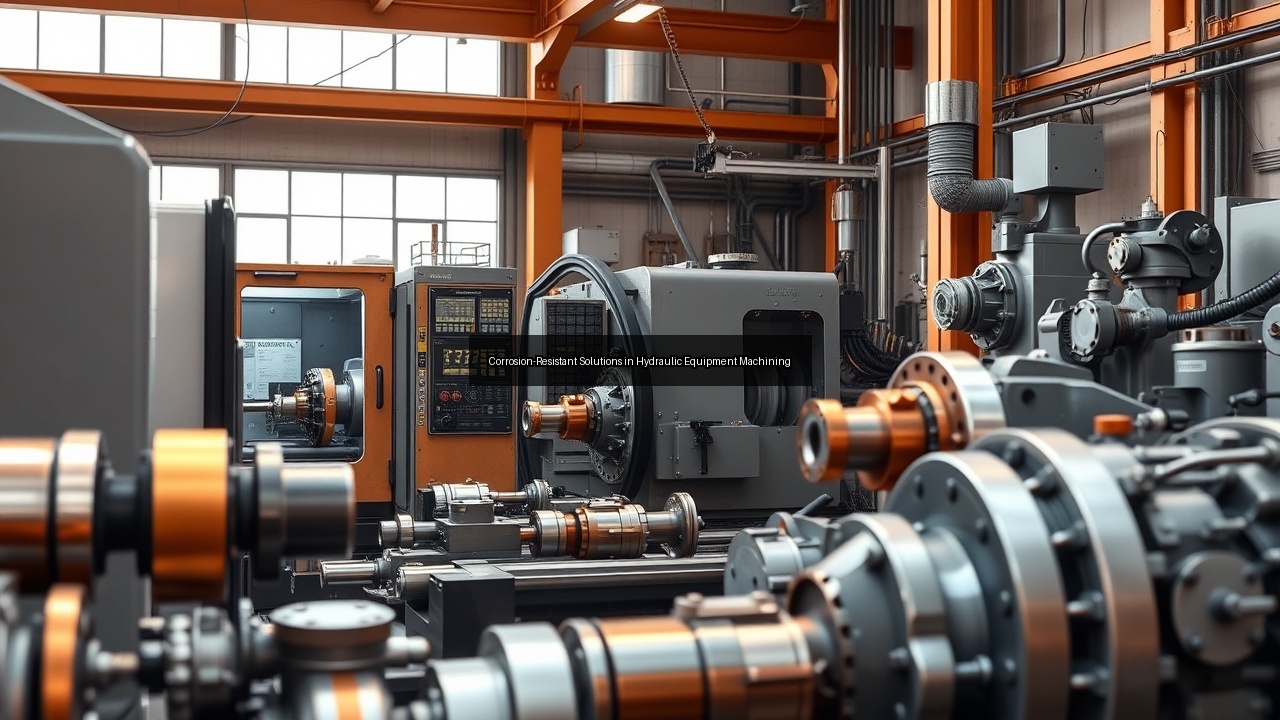
Understanding Corrosion in Hydraulic Equipment
Types of Corrosion in Hydraulic Systems
Hydraulic component machining addresses corrosion that attacks metal parts exposed to fluid under pressure. Galvanic corrosion occurs when dissimilar metals contact each other in the presence of conductive fluid, accelerating degradation on pistons and spools. Pitting corrosion creates localized holes that compromise seals and lead to leaks in hydraulic systems. Erosion corrosion develops when high-velocity fluid carries abrasive particles across machined surfaces, removing protective layers. Manufacturers combat these issues through precise hydraulic component machining that maintains tight tolerances on critical geometries.
Crevice corrosion thrives in gaps between assembled components where fluid stagnates, while stress corrosion cracking initiates under combined mechanical load and corrosive environments. Hydraulic equipment in marine settings faces additional chloride attack that demands corrosion-resistant alloys. Proper material selection during the machining process reduces these risks before components enter service.
Impact of Corrosion on Hydraulic Components
Corrosion shortens service life of machined hydraulic components by eroding surface finishes required for leak-free operation. Pitted cylinders allow fluid bypass that reduces system efficiency and generates heat. Worn spools lose precise metering capability, causing erratic actuator movement in construction equipment and agriculture machinery. Manufacturers track these failures through fluid dynamics analysis that reveals pressure drops across damaged ports.
Unchecked corrosion also contaminates the fluid with metal particles that score cylinder walls and damage pumps. This cascading wear increases maintenance intervals and raises operating costs for aerospace and automotive hydraulic systems. Hydraulic component machining that incorporates corrosion-resistant coatings preserves dimensional accuracy and extends component life under demanding conditions.
Preventive Measures Against Corrosion
Engineers prevent corrosion through surface treatments applied after initial machining operations. Passivation of stainless steels removes free iron that could initiate rust. Electroless nickel plating provides a uniform barrier on complex geometries produced on CNC lathes. Manufacturers also specify tool steels with high chromium content that form stable oxide layers naturally.
Design practices during hydraulic component machining include eliminating sharp corners where fluid can pool and specifying drainage paths. Regular fluid analysis detects early contamination before it accelerates wear. Automated systems now monitor corrosion rates in real time, allowing operators to schedule maintenance before critical failures occur in marine or heavy construction applications.
Materials Used in Hydraulic Component Machining
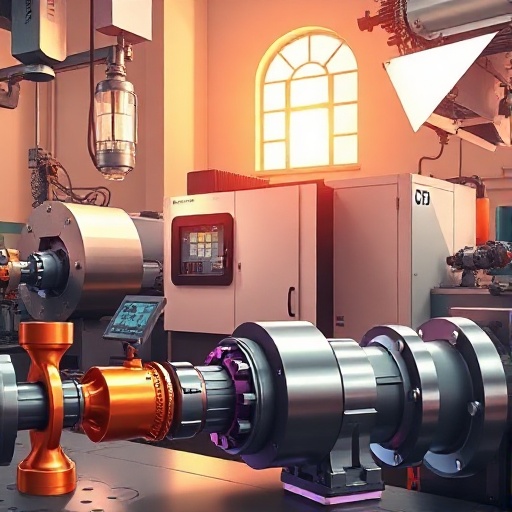
Tool Steels and Their Corrosion Resistance
Tool steels remain the backbone of hydraulic component machining because they combine high strength with good machinability. Grades such as 17-4 PH stainless deliver corrosion resistance through precipitation hardening while retaining the hardness needed for high-pressure spools. Manufacturers balance hardness against toughness so pistons survive both abrasive wear and corrosive fluid exposure in agriculture equipment.
Heat treatment after rough machining refines microstructure and improves resistance to pitting. Precision grinding of sealing lands on these steels maintains surface finishes below 0.4 micrometers, reducing fluid leakage. Companies that specialize in hydraulic component precision machining select tool steels based on the specific fluid chemistry encountered in each application.
Plastics in Hydraulic Applications
Plastics such as PTFE and PEEK serve where metal corrosion would otherwise dominate. PTFE offers near-universal chemical resistance and low friction for seals machined to exacting tolerances on Swiss machines. These non-metallic materials eliminate galvanic couples when paired with metal housings in marine hydraulic systems.
Engineers machine plastics on CNC machining centers without generating heat that could distort dimensions. The resulting components reduce weight in aerospace applications while resisting degradation from synthetic fluids. Hydraulic component machining services increasingly combine plastic wear rings with metal pistons to extend overall assembly life.
Comparative Analysis of Metal and Non-Metal Materials
Metal forgings provide superior load-bearing capacity for high-pressure hydraulic components, yet they require additional surface protection against corrosion. Non-metal alternatives like PTFE excel in chemical resistance but lack the rigidity needed for load-bearing pistons. Manufacturers evaluate machinability, cost, and expected service environment when choosing between these families.
Hybrid designs that pair corrosion-resistant metal bodies with plastic wear bands deliver optimal performance. Hydraulic component machining capabilities now include multi-material setups on automated machining centers that produce complete assemblies in single setups, reducing waste and improving consistency across automotive and construction markets.
Advancements in Machining Technologies for Hydraulic Components
CNC Machining: Precision and Efficiency
CNC machining delivers the repeatability required for corrosion-resistant hydraulic components. Modern CNC lathes maintain tolerances within five microns on spool diameters, ensuring consistent sealing performance. Tool path optimization reduces cycle times while preserving surface integrity that resists pitting initiation.
Manufacturers integrate in-process probing to verify dimensions before corrosion protection coatings are applied. This approach minimizes scrap and supports the high-volume production demanded by agriculture and automotive sectors. Hydraulic component machining services rely on these technologies to meet both quality and delivery expectations.
Swiss Machining Techniques for Complex Components
Swiss machining excels at producing slender, high-precision parts such as valve spools and small pistons used in compact hydraulic systems. The guide bushing supports the workpiece close to the cutting tool, enabling tight tolerances on long, thin features that would deflect on conventional lathes. Corrosion-resistant alloys machine cleanly on Swiss equipment when proper speeds and feeds are maintained.
Manufacturers use these machines to create internal galleries and cross-holes in single operations, reducing leak paths. The resulting components serve demanding aerospace applications where weight and reliability matter most. Hydraulic component machining on Swiss platforms also lowers material waste compared with traditional turning methods.
Automated Machining Centers for Enhanced Production
Automated machining centers integrate multiple operations including milling, drilling, and grinding within one setup. Robotic part handling allows continuous production of corrosion-resistant hydraulic components around the clock. Tool life monitoring prevents unexpected failures that could introduce surface defects prone to corrosion.
These systems improve efficiency by reducing handling between machines and shorten lead times for custom hydraulic equipment. Manufacturers program the centers to apply consistent parameters that preserve material properties essential for long-term resistance to fluid attack in construction and marine environments.
Quality Assurance in Hydraulic Component Manufacturing
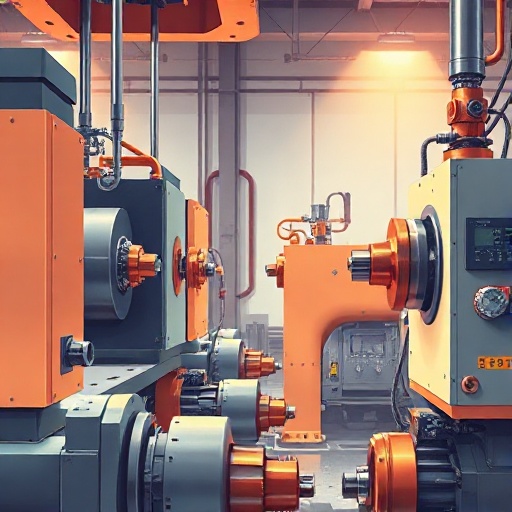
ISO 9001 Standards in Manufacturing
ISO 9001 certification guides quality assurance processes throughout hydraulic component machining. Documented procedures cover everything from incoming material inspection of tool steels and forgings to final verification of machined dimensions. Companies maintain traceability records that link each batch of components to specific machines and operators.
Regular audits ensure that corrosion prevention steps, such as passivation and coating application, receive the same scrutiny as dimensional checks. Compliance with the standard helps manufacturers win contracts in aerospace and automotive industries where consistent quality directly affects system reliability.
Wear Testing and Fluid Dynamics Analysis
Wear testing subjects machined samples to accelerated cycles that simulate years of service in hydraulic systems. Engineers measure material loss and surface changes to predict remaining life under corrosive conditions. Fluid dynamics analysis identifies turbulence zones where erosion corrosion could accelerate, allowing design adjustments before production begins.
These tests validate that hydraulic component machining processes produce surfaces capable of withstanding real-world conditions in agriculture and marine equipment. Data from testing feeds back into material selection and machining parameter refinement for continuous improvement.
Quality Control Processes in Machining
Quality control during hydraulic component machining includes first-article inspection, in-process gauging, and final functional testing. Coordinate measuring machines verify critical tolerances on spools and pistons before components move to assembly. Surface profilometers confirm finish requirements that influence corrosion resistance.
Non-destructive testing such as eddy current inspection detects subsurface flaws that could propagate under pressure. Manufacturers document every step so that any deviation triggers immediate corrective action, protecting end users of construction equipment and aerospace hydraulic systems from premature failure.
Applications of Corrosion-Resistant Hydraulic Components
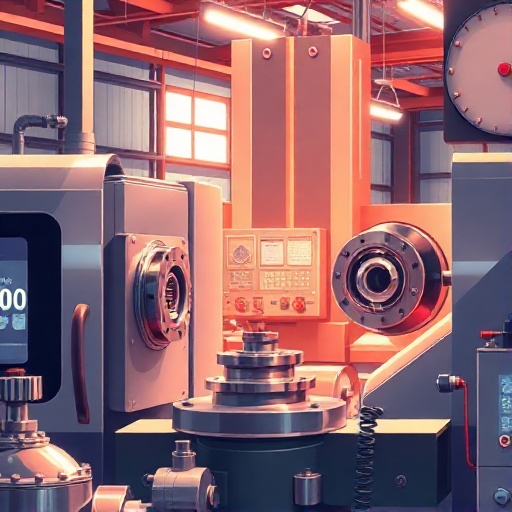
Hydraulic Systems in Aerospace and Automotive
Aerospace hydraulic systems demand corrosion-resistant components that survive extreme temperature swings and aggressive fluids. Machined titanium and stainless steel parts produced to exacting tolerances ensure reliable actuation of flight controls. Automotive manufacturers apply similar standards to power steering and braking systems where fluid contamination from corrosion would create safety risks.
Hydraulic component machining services support these industries with rapid prototyping and scalable production. Precision grinding and finishing operations deliver the surface integrity required for high-cycle applications while resisting the corrosive effects of modern synthetic fluids.
Role in Construction and Agriculture Equipment
Construction equipment operates in dusty, wet environments that accelerate corrosion on exposed hydraulic cylinders. Corrosion-resistant machined components maintain seal integrity and prevent costly downtime on excavators and loaders. Agriculture machinery faces additional exposure to fertilizers and moisture that attack metal surfaces.
Manufacturers respond with hydraulic component machining that incorporates protective coatings and upgraded alloys. Automated production cells deliver consistent quality across large volumes of pistons and valves needed for seasonal equipment fleets. These improvements directly increase uptime for operators.
Marine Applications and Challenges
Marine hydraulic systems endure constant salt spray and immersion that rapidly degrade unprotected metals. Corrosion-resistant materials and meticulous machining of sealing surfaces become essential for winches, steering gear, and hatch systems. Manufacturers apply specialized coatings after Swiss machining to create durable barriers against chloride attack.
Regular inspection programs combined with fluid analysis help operators detect early corrosion before it compromises system performance. Hydraulic component machining capabilities tailored for marine use emphasize both material selection and surface engineering to deliver long service intervals in harsh saltwater conditions.