The Art of Precision in Steel Pipe Fabrication Explained
Understanding Steel Pipe Fabrication
Overview of Steel Pipes and Their Uses
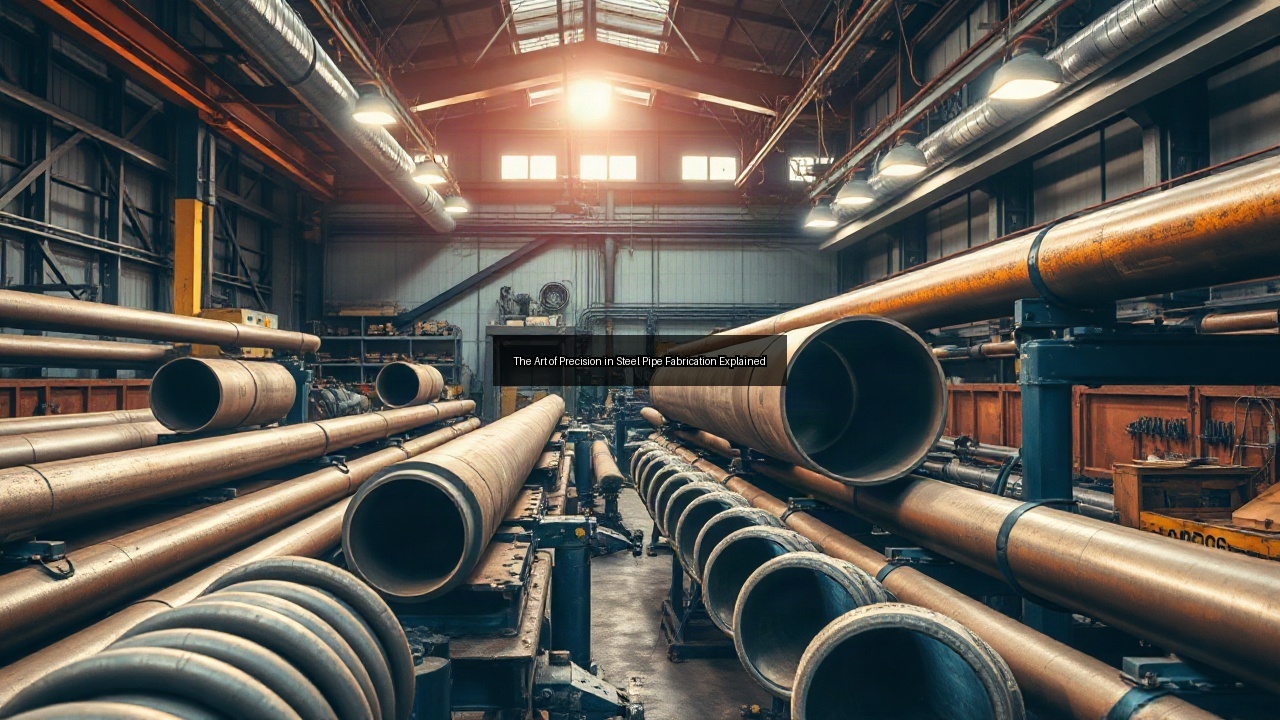
Steel pipes serve as the backbone for countless industrial systems that transport fluids, gases, and structural loads across construction sites, refineries, and power plants. Fabricators shape these pipes into precise lengths and configurations that match exact project specifications. Workers rely on steel pipe for its strength under pressure and resistance to corrosion in demanding environments. Tube sections often connect to larger piping networks where headers distribute flow evenly. Pipe fabrication turns raw steel into functional components that support oil and gas lines, water treatment facilities, and mechanical assemblies. Engineers select steel pipes for their durability and ability to handle extreme temperatures without deforming. In addition, steel pipes find extensive application in petrochemical plants where they manage volatile hydrocarbons, in HVAC systems for commercial buildings that require efficient thermal transfer, and in mining operations that demand abrasion-resistant conduits for slurry transport. The versatility extends to structural roles, such as piling foundations in bridge construction or support columns in high-rise developments, where the material's high yield strength ensures stability under dynamic loads. Fabricators often differentiate between seamless pipes, produced through extrusion for superior pressure ratings, and welded variants that offer cost advantages for lower-stress applications, allowing tailored solutions based on operational demands.
The Importance of Precision in Fabrication
Precision determines whether a fabricated steel pipe fits seamlessly into a complex piping system or requires costly adjustments on site. Fabricators measure every cut and weld to tolerances measured in fractions of an inch. Accurate pipe fabrication prevents leaks that could halt operations or create safety hazards. Companies that prioritize precision reduce material waste and shorten installation timelines. Metal pipe fabrication demands attention to wall thickness and joint alignment so that headers and elbows maintain structural integrity under load. Small errors compound quickly when multiple sections join together in a large network. Beyond basic measurements, precision encompasses bevel angles on pipe ends for optimal weld penetration and ovality controls that prevent flow restrictions in high-velocity systems. In industries like pharmaceuticals, where sanitary piping must avoid dead legs that harbor contaminants, even minor deviations can trigger regulatory non-compliance and expensive rework. Advanced metrology tools, including laser trackers and coordinate measuring machines, enable fabricators to validate geometries in real time, ensuring that multi-spool assemblies align perfectly during field erection and minimizing downtime associated with misalignment corrections.
Common Materials Used in Pipe Fabrication
Carbon steel remains the most common choice for pipe fabrication because it offers high tensile strength at reasonable cost. Stainless steel grades provide superior corrosion resistance when piping carries aggressive chemicals or operates in marine settings. Alloy steels add elements like chromium and molybdenum to withstand elevated temperatures in power generation headers. Fabricators also work with duplex steels that combine strength and chloride resistance for offshore applications. Each material requires specific cutting speeds and welding parameters to preserve mechanical properties during fabrication. Beyond these staples, fabricators increasingly utilize high-strength low-alloy (HSLA) steels for weight-sensitive projects such as offshore platforms, where reduced wall thickness lowers transportation and installation expenses without sacrificing performance. Nickel-based alloys like Inconel appear in extreme sour service environments containing hydrogen sulfide, demanding specialized handling to avoid sensitization. Material selection also considers factors like thermal expansion coefficients when integrating dissimilar metals in mixed systems, requiring transition joints or expansion loops to accommodate differential movement and prevent stress concentrations that could lead to premature cracking.
Key Processes in Pipe Fabrication
Cutting Techniques for Steel Pipes
Fabricators employ plasma, laser, and abrasive saw methods to cut steel pipes to exact lengths. Plasma cutting delivers clean edges on thick walls while laser systems achieve narrow kerfs for intricate shapes. Pipe fabrication shops calibrate equipment daily to maintain consistent results across production runs. Proper cutting prevents burrs that interfere with welding pipe fabrication later in the process. Operators measure twice and verify dimensions before releasing sections for bending or fitting. Accurate cuts reduce scrap rates and keep projects on schedule. Waterjet cutting has gained traction for heat-sensitive alloys, delivering cold cuts that preserve metallurgical properties without introducing heat-affected zones. Band saws equipped with carbide-tipped blades handle large-diameter carbon steel efficiently, while CNC-controlled machines automate repetitive cuts for high-volume production. Environmental controls, such as fume extraction during plasma operations, protect workers and comply with occupational safety standards, while nesting software optimizes pipe placement on stock lengths to maximize material utilization and minimize offcuts that would otherwise become waste.
Bending and Forming Processes
Bending steel pipe requires hydraulic or induction methods that apply controlled force without collapsing the tube wall. Fabricators use mandrels inside the pipe to maintain roundness during tight-radius bends. Heat induction allows larger diameters to curve smoothly while preserving material strength. Pipe fabrication companies often combine bending with forming operations that create custom elbows and reducers. Precise bend angles ensure that piping routes align perfectly when headers connect multiple lines. Skilled operators monitor springback and adjust machine settings to hit target dimensions every time. Cold bending suits smaller diameters and thinner walls where ductility permits deformation without cracking, whereas hot bending at controlled temperatures above the recrystallization point accommodates thicker sections and reduces residual stresses. Rotary draw bending produces consistent radii for repetitive fittings, and roll bending creates large sweeping curves for long-radius applications. Forming operations may include swaging to reduce diameters or flaring for bell-and-spigot connections, all verified through dimensional gauging to ensure compatibility with mating components in modular skid assemblies.
Welding Methods in Pipe Fabrication
Welding pipe fabrication relies on TIG, MIG, and submerged arc processes to create strong, leak-tight joints. TIG welding produces high-quality root passes on stainless steel where appearance and corrosion resistance matter. Fabricators preheat thick sections to prevent cracking and apply post-weld heat treatment for stress relief. Pipe fabrication services document every weld with procedure specifications and welder qualifications. Proper joint preparation and filler metal selection determine long-term performance of the finished piping assembly. Multiple passes build up weld metal until the joint matches or exceeds parent material strength. Orbital welding systems automate circumferential joints on fixed-position pipes, delivering consistent penetration in restricted access areas common to module fabrication. Flux-cored arc welding accelerates fill passes on carbon steel while maintaining mechanical properties, and hybrid laser-arc processes combine deep penetration with high deposition rates for thick-wall applications. Welder qualification under ASME Section IX ensures competency across positions and materials, with ongoing performance monitoring through production weld coupons that undergo destructive testing to validate ongoing process stability.
Quality Control in Steel Pipe Fabrication
Standards and Regulations for Fabrication
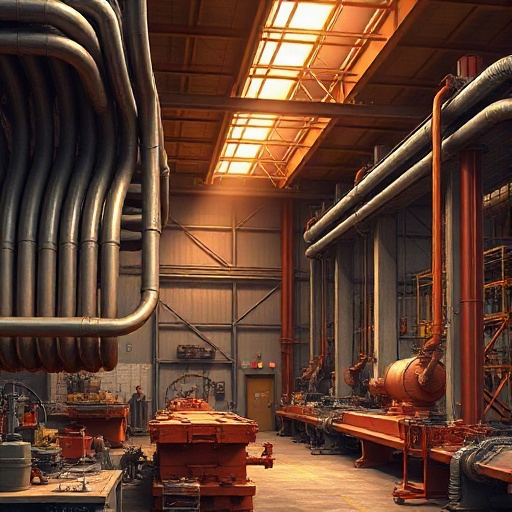
Industry codes such as ASME B31.3 and API 1104 govern pipe fabrication to ensure safety and reliability. Fabricators follow material traceability requirements that link every steel pipe section to its mill certificate. Pipe fabrication shops maintain documented procedures for cutting, welding, and inspection that meet client and regulatory demands. Compliance with these standards protects workers and end users from failures in high-pressure systems. Regular audits verify that fabrication practices align with the latest code revisions. Additional frameworks like NACE MR0175 address sour service requirements, specifying hardness limits to resist sulfide stress cracking in oilfield piping. ISO 9001 certification underpins quality management systems, requiring corrective action protocols and continuous improvement initiatives that track nonconformances and implement preventive measures across all fabrication stages.
Testing Methods for Fabricated Pipes
Hydrostatic testing pressurizes completed piping assemblies to verify leak tightness before shipment. Radiographic and ultrasonic examinations detect internal weld defects that visual inspection cannot reveal. Fabricators perform hardness and impact tests on sample welds to confirm mechanical properties remain within specification. Pipe fabrication companies record all test results in quality packages that accompany each delivery. These methods catch issues early and prevent costly field repairs. Magnetic particle and dye penetrant inspections complement volumetric methods for surface-breaking flaws, while positive material identification spectrometers confirm alloy composition at receipt and after fabrication. Pneumatic testing serves as an alternative for systems intolerant to water residues, though it demands stricter safety protocols due to stored energy risks.
The Role of Fabrication Shops in Quality Assurance
Fabrication shops coordinate inspection at every stage from material receipt through final packaging. Quality teams review drawings and verify that dimensions match specifications before releasing parts. Pipe fabrication services include third-party inspection when clients require independent verification. Shops invest in calibrated measuring tools and trained personnel who catch deviations before they reach the customer. Consistent quality assurance builds trust and repeat business in competitive markets. In-process checkpoints during welding, such as interpass temperature monitoring and visual root pass examination, integrate with final documentation packages that include material test reports, weld maps, and as-built drawings to provide complete traceability for asset lifecycle management.
Choosing a Pipe Fabrication Company
Factors to Consider When Selecting Fabrication Services
Experience with similar projects and material grades tops the list when evaluating pipe fabrication companies. Capacity to handle both small and large-diameter steel pipes ensures the shop can meet volume requirements. Turnaround time, welding capabilities, and in-house testing facilities influence the final decision. Pipe fabrication services that maintain strong safety records and quality certifications reduce project risk. Location also affects transportation costs for oversized headers and spools. Additional considerations include the availability of value-added services such as painting, insulation, and modular assembly, which streamline downstream integration and reduce interface risks during site installation.
Comparing Pipe Fabrication Companies
Side-by-side comparisons focus on equipment lists, welder qualifications, and past project references. Some pipe fabrication shops specialize in stainless steel while others excel at carbon steel structural piping. Review portfolios for examples of complex headers and tight-tolerance fabrications. Direct conversations with previous clients reveal how responsive the company was during schedule changes. Price alone rarely tells the full story of capability and reliability. Benchmarking against industry metrics, such as on-time delivery rates and first-pass yield percentages, provides objective data to differentiate providers beyond marketing claims.
The Impact of Price on Quality and Services
Lower price often signals shortcuts in material traceability or inspection coverage during pipe fabrication. Reputable companies balance competitive pricing with thorough quality controls that protect long-term performance. Clients should request detailed quotes that break out labor, materials, and testing so hidden costs do not appear later. Pipe fabrication that skimps on weld procedures or post-weld treatment risks premature failure. Investing in proven services usually delivers better value through fewer field issues and extended service life. Total cost of ownership analyses that factor in expected maintenance intervals and operational reliability often favor established fabricators despite higher initial bids.
Future Trends in Pipe Fabrication
Innovations in Metal Pipe Fabrication
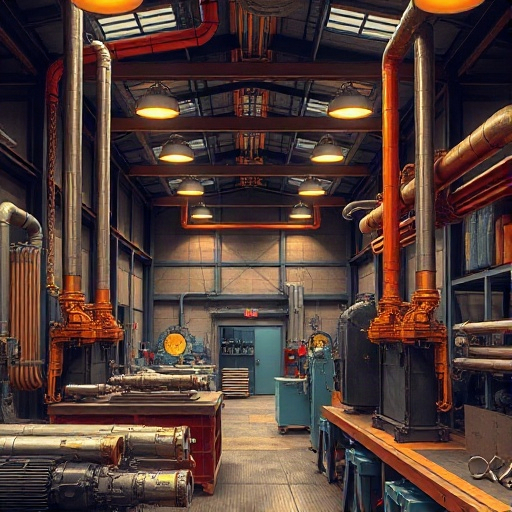
Automated cutting cells and robotic welding stations increase throughput while improving consistency in metal pipe fabrication. Additive manufacturing now produces complex fittings that traditional methods cannot achieve economically. Pipe fabrication companies adopt laser scanning to verify as-built dimensions against digital models. These tools reduce human error and allow faster iteration on custom headers. Continued development promises even tighter tolerances and shorter lead times. Machine learning algorithms optimize weld parameters in real time based on sensor feedback, further enhancing joint integrity across variable material batches.
Sustainability Practices in Fabrication
Shops recycle steel scrap generated during cutting and machining operations to lower raw material demand. Energy-efficient equipment and optimized nesting software reduce electricity consumption in pipe fabrication. Some facilities source steel produced with lower-carbon methods to meet client sustainability goals. Water recycling systems in hydrostatic testing further decrease environmental impact. These practices align pipe fabrication with broader industry efforts to minimize waste and emissions. Carbon footprint tracking and life-cycle assessments are becoming standard deliverables, enabling clients to meet Scope 3 emissions reporting requirements.
The Role of Technology in Enhancing Precision
Computer-aided design software generates exact bend programs that account for material springback before any steel pipe is touched. Real-time monitoring during welding tracks parameters and alerts operators to deviations. Pipe fabrication services integrate these systems with enterprise software to track progress and maintain full traceability. Digital twins allow simulation of entire piping networks before fabrication begins. Technology continues to raise the standard for accuracy and repeatability across the industry. Augmented reality overlays guide welders through complex joint preparations, while blockchain-secured digital records ensure immutable material and process histories for regulatory audits.
See Also
- Exploring the Role of Headers in Efficient Pipe Fabrication
- Pipe Fabrication Challenges and Solutions in Today’s Market
- Mastering Pipe Fabrication Techniques for the Modern Engineer
- Understanding the Impact of Material Selection on Pipe Fabrication Quality
- The Cost of Quality Steel Pipe Fabrication and What to Expect